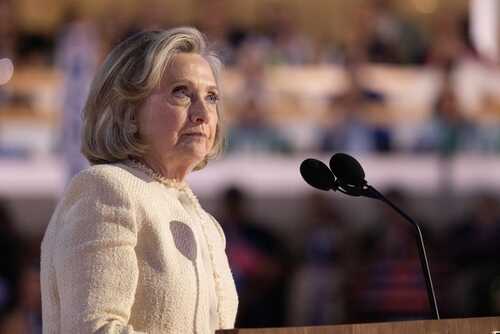
Bill and Hillary Clinton’s refusal to testify in the House Epstein probe sparks a showdown that challenges constitutional oversight.
Story Highlights
- The Clintons refuse to comply with subpoenas from the GOP-led House Oversight Committee.
- Contempt proceedings are set against Bill Clinton, with potential for similar action against Hillary.
- The bipartisan subpoena vote undermines claims of partisan targeting.
- This probe focuses on government failures, not private conduct, in the Epstein investigation.
Clinton Refusal and Subpoena Controversy
Bill and Hillary Clinton have refused to testify in a Republican-led House Oversight Committee investigation into the handling of the Jeffrey Epstein case. The Clintons argue that the subpoenas are a partisan tactic, claiming the investigation is designed to embarrass political rivals rather than uncover government failures.
The committee, chaired by Rep. James Comer, issued contempt proceedings against Bill Clinton and is considering similar action for Hillary if she fails to appear.
The committee’s actions come after a bipartisan vote to subpoena the Clintons, undercutting their claims of political targeting.
The subpoenas stem from the Epstein Files Transparency Act, which mandates the release of documents related to Epstein and Ghislaine Maxwell’s cases. Despite the Clintons’ assertions, the committee maintains the need for their testimonies to ensure transparency and accountability in the investigation.
Government Accountability in the Epstein Case
The investigation focuses on the government’s failures in handling the Epstein and Maxwell cases, rather than private conduct. The committee had previously subpoenaed five former attorneys general, who were excused after certifying they had no relevant knowledge.
However, the Clintons’ request for similar treatment was denied, highlighting the committee’s determination to gather comprehensive information.
Rep. Comer has emphasized the moral imperative of the investigation, stating it is about right and wrong, not left or right. The Clintons, through their attorney David Kendall, have pushed back, arguing they have provided all the limited information they possess and that further testimony would serve no legitimate purpose.
Clintons refuse to testify in House Epstein probe as Republicans threaten contempt proceedings https://t.co/xZTaOS6xQl
— WPXI (@WPXI) January 13, 2026
Implications of the Standoff
The Clintons’ refusal to testify has significant short-term and long-term implications. In the short term, potential contempt charges could disrupt their personal and political lives, and the committee’s actions could escalate to a referral to the Department of Justice.
In the long term, the case will test the enforcement power of congressional subpoenas against former public officials, setting a precedent for future investigations.
The political implications are also notable, as the case could fuel partisan divides ahead of the 2026 midterm elections. The public’s focus on Epstein’s case and the government’s transparency in handling sex trafficking investigations remains high, putting pressure on the Department of Justice to uphold public accountability.
Sources:
ABC News: After Bill Clinton fails to testify, Epstein probe chairman plans contempt markup