

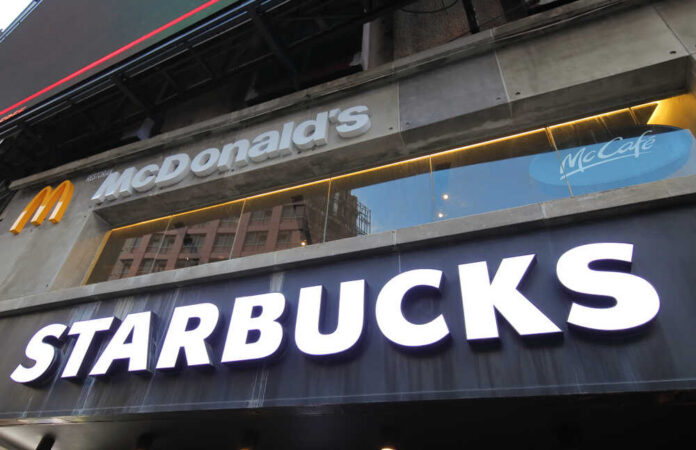
Eight Starbucks drinks called “sugar-free” are now the target of a lawsuit saying they can pack 13 to 21 grams of sugar.
Story Snapshot
- A proposed class action filed Oct. 2, 2026, targets eight “sugar-free” protein beverages.
- Plaintiffs say venti servings contain 13–21 grams of sugar from milk lactose.
- The suit cites a federal “sugar-free” threshold of less than 0.5 grams per serving.
- Starbucks says sugars are naturally occurring and that it adds no sugar to the drinks.
What the lawsuit says and why it matters
Three consumers filed a proposed class action in federal court in Seattle on Oct. 2, 2026, accusing Starbucks of mislabeling eight protein drinks as “sugar-free”. The complaint claims venti servings contain between 13 and 21 grams of sugar. The alleged source is lactose in protein-boosted milk used in the recipes. The legal hook points to a federal line: the term “sugar-free” is reserved for products under 0.5 grams of sugar per labeled serving, according to the suit’s reading.
The drinks named include Sugar-Free Vanilla Protein Latte and Sugar-Free Caramel Protein Latte, plus sugar-free matcha versions and iced editions, according to coverage of the filing. Plaintiffs seek damages and court orders that would change marketing and labeling. That signals they claim a real hit to consumers’ wallets and choices, not just a vague gripe over wording. Early cases like this live or die on what a normal shopper thinks “sugar-free” means at the counter.
Starbucks’ defense: no added sugar, clear disclosures
Starbucks says the sugar listed for these drinks comes from milk, not spooned-in sugar or syrups. The company states it does not add sugar to the beverages and uses sugar-free flavors. It calls the lawsuit meritless and says it will fight it. Starbucks also places these items under a “No Added Sugar Options” menu tab and markets “no added sugar” across sites and product pages, which backs its core position to customers who watch added sugar closely.
That framing will likely resonate with many buyers. People see “no added sugar” on grocery shelves every day and often treat it as a green light. But the courtroom is not the checkout line. Labels like “sugar-free” sit under federal nutrient-content rules. If the plaintiffs’ reading controls, naturally occurring lactose still counts toward the “sugars” total for a “sugar-free” claim. That sets up a clear clash between legal terms and common speech.
The fight over definitions, not chemistry
Both sides agree the sugar, if present, comes from milk. The question is whether a drink with measurable lactose can lawfully be sold as “sugar-free” at the sizes and recipes offered. Reporting on the complaint cites a benchmark of less than 0.5 grams of sugar per serving for such a claim. If the venti drinks carry double-digit grams, plaintiffs argue the “sugar-free” name crosses the line by a wide mark. Starbucks replies that it never added sugar and labeled options accordingly.
Courts have wrestled with this kind of gap for years. “Sugar-free,” “no sugar added,” and “low sugar” sound similar but signal different things under law. If a customer hears “sugar-free” and expects none at all, the plaintiffs gain traction. If a judge accepts Starbucks’ “no added sugar” emphasis as what consumers saw and relied on, the case tightens. Discovery on menus, app screens, and nutrition data will likely decide who has the stronger ground.
What to watch next: evidence, not vibes
This case sits at the starting gate. Reported sugar counts come from the complaint, not an independent lab record in the public reporting. The strongest next step will be hard evidence: exact recipes, serving sizes, and any testing that shows total sugars by size. Plaintiffs will push for damages and clear labels. Starbucks will press that it disclosed facts and added no sugar. A judge will weigh the legal meaning of “sugar-free” against what reasonable shoppers take it to mean.
A proposed class-action lawsuit accuses Starbucks of labeling eight protein drinks as "sugar-free" despite allegedly having up to 21 grams of sugar. https://t.co/bnBMqPpWJA
— Journal Star (@pjstar) October 7, 2026
Common sense suggests a simple rule: if the name says “sugar-free,” the drink should round to zero sugar per serving under the law’s own math. Consumers deserve straight language that matches the rules on the books. If the facts show double-digit grams, the label should change. If the law allows a carve-out that fits Starbucks’ menu and messaging, the market will still expect crystal-clear words. Either way, plain labeling beats fine print—every time.
Sources:
people.com, reuters.com, abcnews.com, wsj.com